
Seasonal Features
Hand-poured beeswax: a warmer winter glow
6 min read
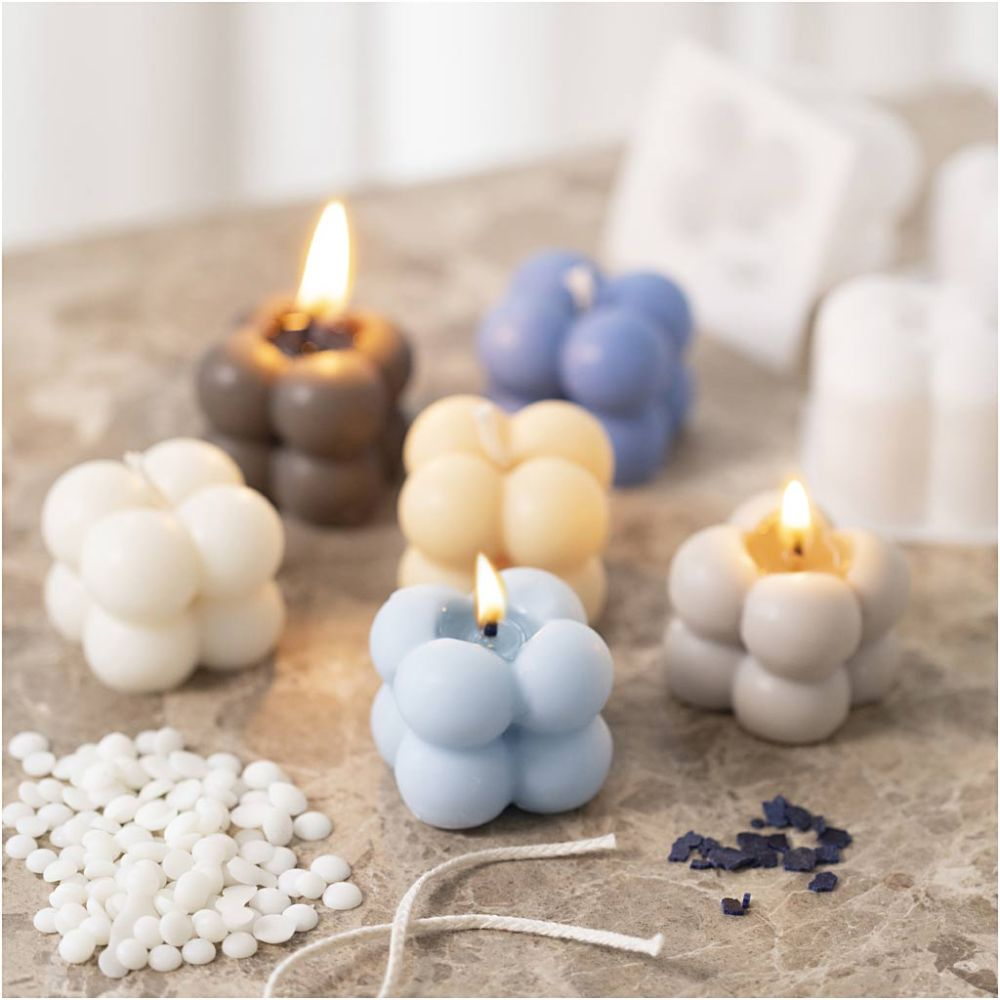
Beeswax is the oldest candle material in human use. It burns longer than paraffin, gives off a warm honey-coloured light, releases a subtle natural scent, and is the only wax with a measurable air-purifying effect. For winter evenings, nothing else feels quite the same.
Three reasons it's worth the price
First, burn time: beeswax burns at roughly 1 g per hour, about a third slower than paraffin. A 200 g pillar gives you 60 hours of light. Second, the flame is unusually warm and bright because beeswax burns at the same spectrum as the sun. Third, beeswax candles emit negative ions when burning, which bind to airborne dust and pollen — a small but real air-quality benefit.
Pure or blended
100% beeswax has a beautiful natural amber colour and a faint honey aroma straight from the hive. A 70/30 beeswax-to-coconut-wax blend pours more easily, releases from moulds with less effort, and is the safer first attempt. Either way, avoid 'beeswax-scented' paraffin — it has none of the benefits.
Wick a size up
Beeswax is denser than soy or paraffin, so it asks for a slightly larger wick to keep a clean melt pool. Square-braided cotton wicks are the traditional choice and tend to behave well; flat-braided wicks can mushroom and need trimming more often.
Pour at the right temperature
Melt to 70 °C, pour at 65 °C. Beeswax sets fast, so warm your moulds slightly with a hairdryer before pouring to avoid pull-away lines along the sides of pillars.
A small ritual
A pair of hand-rolled beeswax tapers on the table at the start of dinner. A single 200 g pillar by the bath. Three votives in a tray on a winter coffee table. The candles you make yourself burn slightly slower than the ones you buy, and that's not a coincidence — it's because you cared about the wick.